
I went to the Viet Nam museum of ethnology last weekend and was really surprised about the information that they give to visitors, even though I'd heard about this place heaps before. This place reminds me lots about our life after the American War, about how difficult life was and how the majority of people were needy but people were still happy that peace had finally arrived.

Here are some extracts from the musuem brochure about that time:
"The period of the "Subsidy Economy, 1975- 1986" has been known as a time of hardships, when mechanism for socio-economic management was inappropriate, causing privations in people's material and spiritual life. Material life was poor due to a sluggish and inefficient production system, but the constraints also applied to people's creative and spiritual endeavors."
"Almost all commodities were distributed to people through a system of state and cooperatives. Distribution of goods was dependent on the rank of the citizen and distributed by the using coupons or food stuff books. High ranking officals were served at special shops,whereas a number of other stores in the city were for common people".

"Food was bought with coupons that had a lot of small spuares. Sometimes, in order to buy green vegetables or even to buy some oranges in the summer, you needed to cut the different squares on the coupons" said by Mrs Le Thi Hien, aged 69, former head of the Dong Xuan vegetable and fruit shop,85 Hang Buom street, Hanoi.

Yes, this is so right, I remember my family had to go to the shop very early sometimes to put a brick or stand there for hours just to buy some veggies or some meat. But luckily, at that time I was only about 6 or 7 years old and people saw me as a tiny kid and they always let me buy my stuff first. One day, on the way I lost my coupon which had just 3 squares left. I was really nervous and expected a big slap on my bum from my Mum when I got home. But my mother didn't do that. She told me have to be more careful next time.
My parents both worked for the government as managers so, while our life was still difficult, it was worse for other families.
To be continued


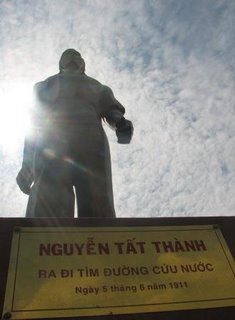
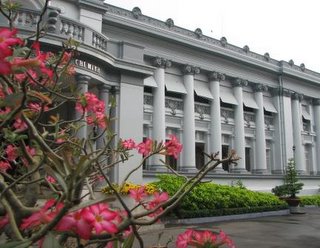

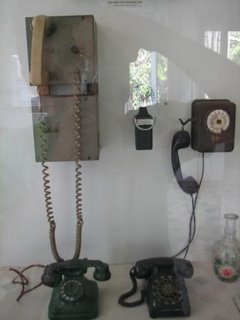
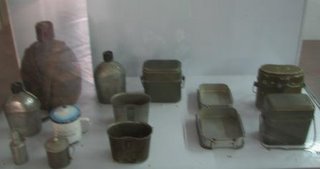
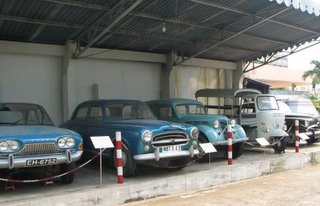
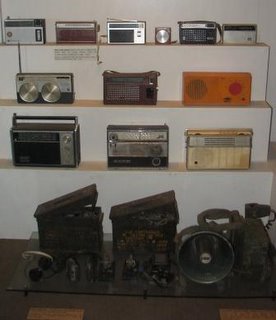
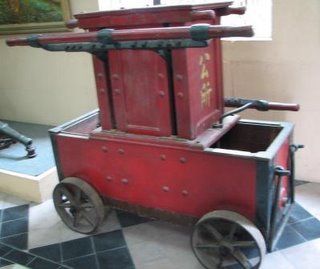 Besides all of the guns, tanks and radios, this museums exhibits lots of very interesting things from coal irons, fire trucks and some different cars that people used before and during the war.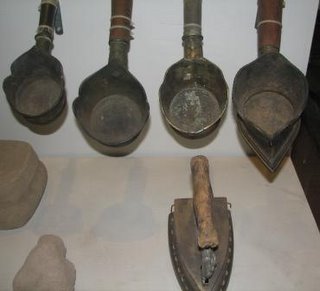
 I was so glad to visit this museum as it has helped me to better understand about how hard it must have been to win the war with nothing much to work with. I dont want to make it become a huge deal in this post but I am so proud about being Vietnamese.